What exactly does VirtuoLab build in an app project?
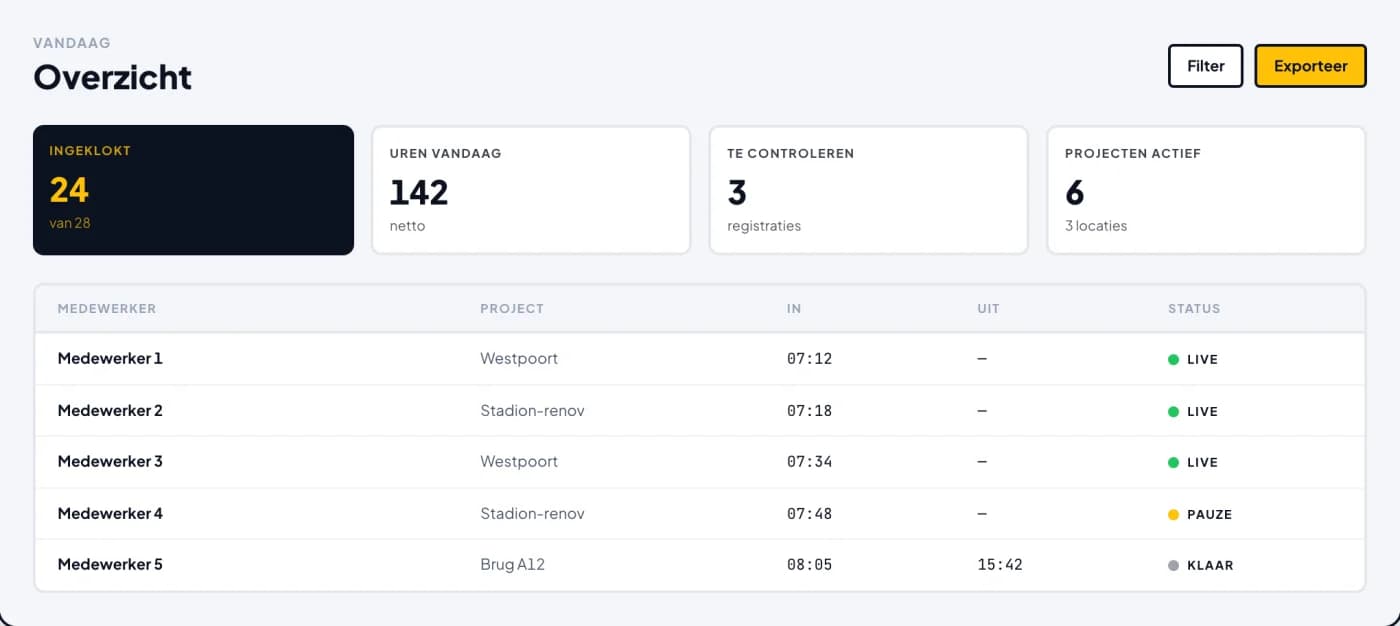
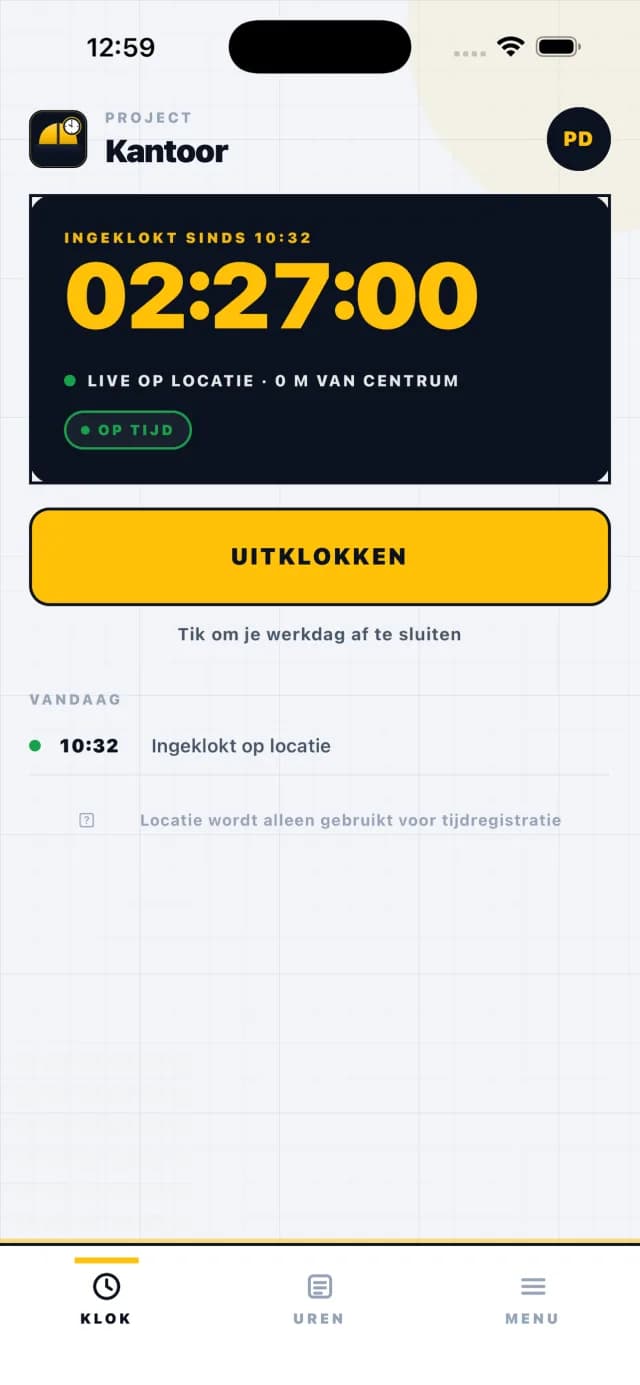
App development is the design, construction and publication of a mobile application for iPhone and Android devices. VirtuoLab, a software agency in Papendrecht, builds custom apps for small and medium-sized businesses and for startups. VirtuoLab handles the full chain itself: 1) the screens of the app, 2) the backend with the data and 3) the admin dashboard behind the app. Common features in 2026 are user accounts, push notifications, payments, offline use and links to existing systems through an API. For example, a service company with 25 people in the field can use an app for job sheets, photos and digital signatures. A startup can test a new idea with a first version on both platforms, built with React Native. Finally, VirtuoLab prepares the release in the Apple App Store and on Google Play, including the store listing and the review by Apple and Google. The CloudFlow demo on virtuolab.dev, an admin dashboard with simulated data, shows the kind of management screen behind many apps.
What does it cost to have an app built in 2026?
A custom mobile app costs between €10,000 and €100,000 in 2026, and an enterprise app starts at €100,000. Every amount on this page is an indication, and VirtuoLab sets the exact price after a free intake call. A simple app with a few screens and a login costs €10,000 to €20,000. A mid-sized app with payments, a booking flow or an API link costs €20,000 to €50,000. A complex app with real-time data, several user roles or a marketplace costs €50,000 to €100,000. Technology matters too. One app for both platforms with React Native or Flutter costs €15,000 to €60,000, while two separate native apps cost €40,000 to €120,000. In practice, four factors set the price. The first two are the number of screens and user roles. The other two are the integrations with other systems and the use of hardware such as the camera or GPS. An internal app for 25 people also needs a lighter backend than a consumer app for 10,000 users.
How long does it take to build an app with VirtuoLab?
A first version of an app for iOS and Android, known as an MVP, takes 8 to 12 weeks at VirtuoLab. A larger app takes longer, and the planning is part of the fixed-price proposal. Every project follows four steps. Step 1 is the intake and scope: a free call about goals, users and must-have features. Step 2 is design and validation, where the screens are designed and reviewed with the client before development starts. Step 3 is building and testing in short sprints, with a demo of working software after each sprint. Step 4 is the launch and support: VirtuoLab submits the app through App Store Connect and the Google Play Console and fixes issues after release. In practice, store approval adds a little time. According to Apple, App Review typically handles at least 50% of submissions in less than 24 hours and 90% in less than 48 hours. Google Play Console Help mentions reviews of up to seven days for certain developer accounts.
Should you build your app native or with React Native or Flutter?
Cross-platform development is the approach of building one codebase for iOS and Android, with React Native (Meta) or Flutter (Google). Native development means two separate apps: Swift for iOS and Kotlin for Android. Launching on both platforms matters in the Netherlands: according to StatCounter, Android had about 68% of the Dutch mobile market in September 2026 and iOS about 32%. VirtuoLab usually recommends React Native. React Native runs on TypeScript, the same language as the Next.js web apps and Node.js backends which VirtuoLab builds. As a result, one developer can share logic and data types between app, website and server. Additionally, Flutter is a strong alternative for apps with a distinctive visual style and many animations. Native development is the better choice when an app relies on features which exist on only one platform. The price gap is significant: React Native or Flutter costs €15,000 to €60,000 for both platforms, while two native apps cost €40,000 to €120,000. In practice, the cross-platform route fits most budgets.
Why choose VirtuoLab to build your app instead of a larger agency?
VirtuoLab is a one-person software agency, which means the person who plans your app also writes the code. First, you speak directly with founder and developer Mustafa Kose, without account managers in between. Second, VirtuoLab agrees a fixed price before development starts, based on the scope from the intake. Third, you own the source code, the data and the developer accounts with Apple and Google, so another developer can continue the work later. Finally, short sprints with demos keep progress visible throughout the project. Communication runs in Dutch, English or German. Honesty matters here as well. In practice, a larger agency is the better fit for an app which needs a team of 5 people working in parallel. The same applies to separate native teams for iOS and Android, or a support desk outside office hours. VirtuoLab is available Monday to Friday from 09:00 to 18:00. For an enterprise app of €100,000 or more with a tight deadline, a team usually delivers faster than a single developer.
Who is app development by VirtuoLab a good fit for?
App development by VirtuoLab is a good fit for small and medium-sized businesses and startups with a clear goal and a budget from €10,000. Typical examples are a customer app for appointments or loyalty points and an internal app for field staff. An MVP to test a product idea with the first 100 users fits well too. Companies with an existing web app benefit too, because the new app can use the same backend and API. VirtuoLab works on location in the Drechtsteden and Rotterdam, and online across the Netherlands, Belgium and Germany. An app is not always the right answer, though. When customers mainly need information, a contact form or a simple calculator, a mobile-friendly website or a progressive web app built with Next.js costs less. Such a solution also needs no approval from Apple or Google. In practice, VirtuoLab discusses the alternatives in the free intake call, so the budget goes to the solution which actually fits the problem.