What does a Next.js developer do, and when do you need one?
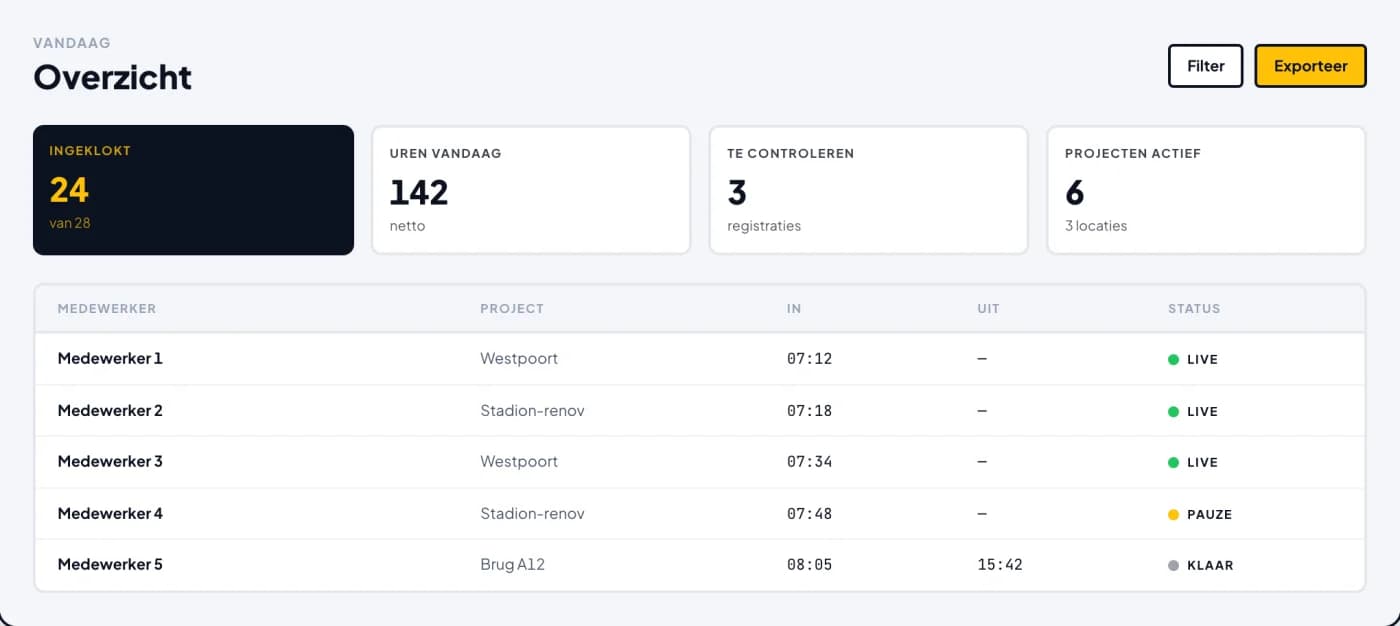
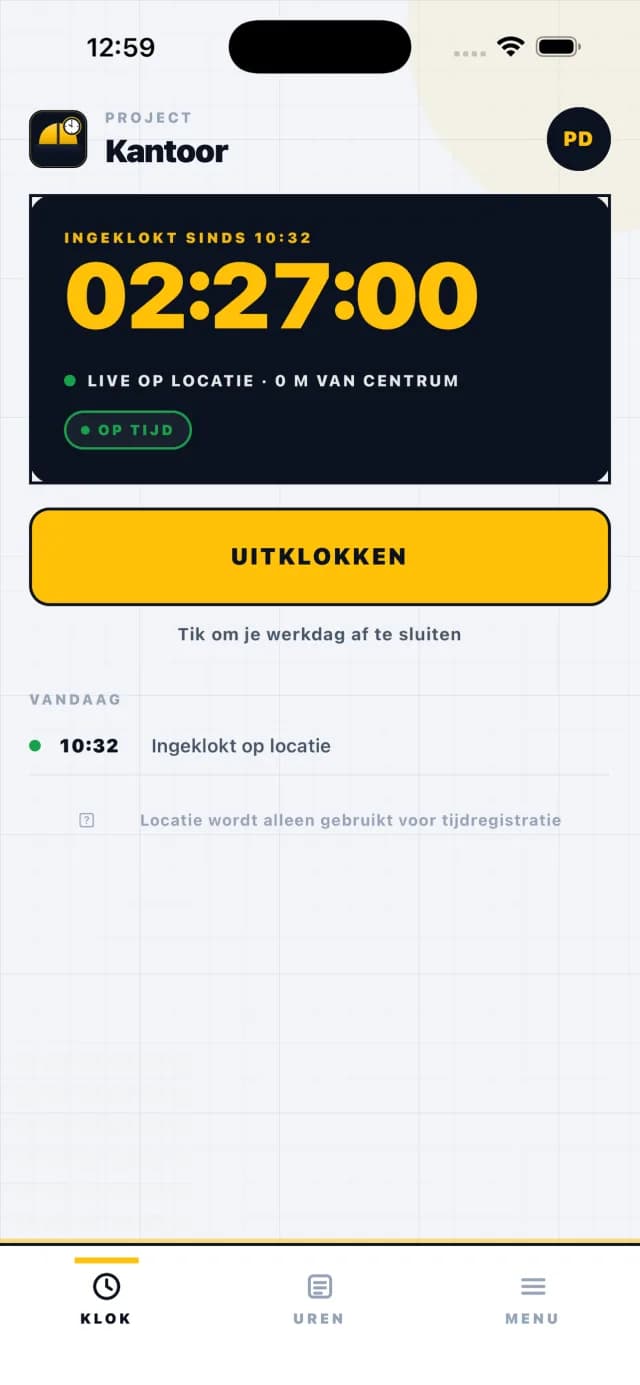
A Next.js developer is a web developer who builds websites and web apps with Next.js, the React framework from Vercel. Next.js renders pages on the server, so pages load fast and rank well in Google. You need one for 1) a web app such as a client portal, dashboard or SaaS product, 2) a business website built for speed, or 3) an existing React app struggling with speed or visibility. The framework is common. According to the Stack Overflow Developer Survey 2025, 20.8% of all respondents used Next.js and 44.7% used React (Meta). Another developer can therefore take over the code later. VirtuoLab builds every web app and most websites mobile-first with Next.js, TypeScript and PostgreSQL. The site virtuolab.dev itself runs on version 16, with translated URLs in three languages. For example, a standard online store built with Shopify is often faster to launch. You hear such advice honestly in a hands-on intro call.
How much does it cost to hire a Next.js developer in 2026?
A Next.js project at VirtuoLab is a fixed price in euros in 2026, depending on size. A business website costs €2,000 to €8,000 and a simple web app €5,000 to €10,000. A medium web app costs up to €25,000, and a complex web app or SaaS up to €50,000. Every amount is an indication; the exact price is fixed before coding starts. VirtuoLab does not work with an hourly rate. Three factors set the price: 1) the number of screens and user roles, 2) integrations, such as payments through Stripe or a CRM, and 3) the number of languages. For example, a client portal with login and a link to the accounting software usually falls in the medium range. Card payments through Stripe add 1.5% plus €0.25 per payment (Stripe). Budget certainty matters: according to a 2026 CB Insights report, running out of capital played a role in 70% of startup shutdowns. A hands-on intro call and a mobile-first design keep the scope sharp from day one.
Hourly rate or fixed price: what is the difference when hiring a Next.js developer?
The difference is who carries the risk: an hourly rate pays for hours, a fixed price for an agreed result. 1) With an hourly rate, as on many freelance platforms, the client carries the risk when a feature takes longer. The final price is only known afterwards. 2) With a fixed price the developer carries the risk, and the client knows the total upfront. The scope must then be clear upfront. 3) An hourly rate suits ongoing work without an end date, such as maintenance. A fixed price suits a defined project, for example a web app of €5,000 to €10,000 built in 3 to 6 weeks. Budget certainty weighs heavily: according to a 2026 CB Insights report, running out of capital played a role in 70% of startup shutdowns, and poor product-market fit in 43%. VirtuoLab therefore works with fixed prices, agreed after a hands-on intro call, online or on location. Any addition gets its own price first, so a mobile-first MVP stays on budget.
How does VirtuoLab use the App Router and Server Components?
The App Router is how Next.js organises routes, layouts and pages. According to the Next.js documentation from Vercel, layouts and pages are Server Components by default. Server Components fetch data on the server and send less JavaScript to the browser. VirtuoLab uses the model in three ways. 1) Database queries and API keys stay on the server, and only variables prefixed with NEXT_PUBLIC_ reach the browser. 2) Only interactive parts, such as a form or a filter, become Client Components. 3) Pages are rendered ahead of time or on the server, so Google and AI assistants see the full text. Speed benefits: Google's web.dev recommends loading the largest content within 2.5 seconds for at least 75% of visits. According to the Web Almanac 2025, only 48% of mobile sites pass all Core Web Vitals (Almanac). The site virtuolab.dev is built the same way, mobile-first and in three languages. For example, a hands-on look at the site with Chrome shows the approach directly.
How does a Next.js project with VirtuoLab work?
A Next.js project with VirtuoLab is a four-step process, from first conversation to launch. Step 1 is a free intro call, online or on location in the Drechtsteden or Rotterdam, about the goal, the users and the existing systems. Step 2 is a written scope with a fixed price in euros and a schedule. A simple web app takes 3 to 6 weeks. Step 3 consists of short sprints, each ending with a working demo in a test environment. Step 4 is the launch, on Vercel or on a dedicated server. Throughout the project, the client talks directly to the developer who writes the code, in English, Dutch or German. The stack is TypeScript, React (Meta), Node.js and PostgreSQL. According to Stack Overflow, 55.6% of developers used PostgreSQL in 2025 and 48.7% used Node.js. An in-house team can therefore continue later. The design is mobile-first, and demos are hands-on, for example in Google Chrome on any laptop.
Why hire a Next.js developer from the Netherlands instead of through a platform?
A Next.js developer in the Netherlands is practical: a European time zone, billing in euros and meetings in English, Dutch or German. VirtuoLab is a one-person company in Papendrecht, founded by developer Mustafa Kose. The conversation, the code and the demos come from one person, without an account manager in between. Three consequences follow. 1) Questions go straight to the hands-on developer who knows the code. 2) A fixed price in euros makes quotes in the Netherlands, Belgium and Germany easy to compare. 3) Meetings on location are possible in the Drechtsteden and Rotterdam. A freelance platform offers more choice, but the client has to find the right person. With an hourly rate, the client also carries the risk of hours running over. Budget matters: according to a 2026 CB Insights report, running out of capital played a role in 70% of startup shutdowns. A larger agency fits better for branding and campaigns. For a mobile-first web app with Next.js, VirtuoLab offers a fixed price.